September 29, 2026
Pest management is an essential aspect of maintaining a safe and healthy environment, both in residential and commercial spaces. However, many people underestimate the urgency of addressing pest issues, often delaying intervention until the problem becomes severe. Calling a certified pest control specialist at the first sign of trouble can save you thousands of dollars in repairs. This delay can lead to a variety of detrimental outcomes, including health risks, structural damage, and economic losses. Understanding the consequences of procrastination in pest control is crucial for taking timely action. By contacting pest control professionals early on, individuals and businesses can avert the escalating costs and hazards associated with infestations.
1. The Risks of Infestation
1.1 Understanding Pest Life Cycles
The life cycle of a pest is a critical factor that determines how quickly an infestation can become unmanageable. Many pests, such as mosquitos, can go from eggs to adults in a matter of days to weeks, especially in warm, humid climates with high rainfall, according to Consumer Affairs. This rapid reproduction rate can lead to a significant increase in population within a short time frame. Early intervention is necessary to disrupt the life cycle before it reaches a critical mass. Relying on professional pest control services ensures that technicians target pests at every stage of their life cycle. Failure to do so can result in an infestation spreading rapidly and becoming more difficult to control.
1.2 Potential Health Hazards
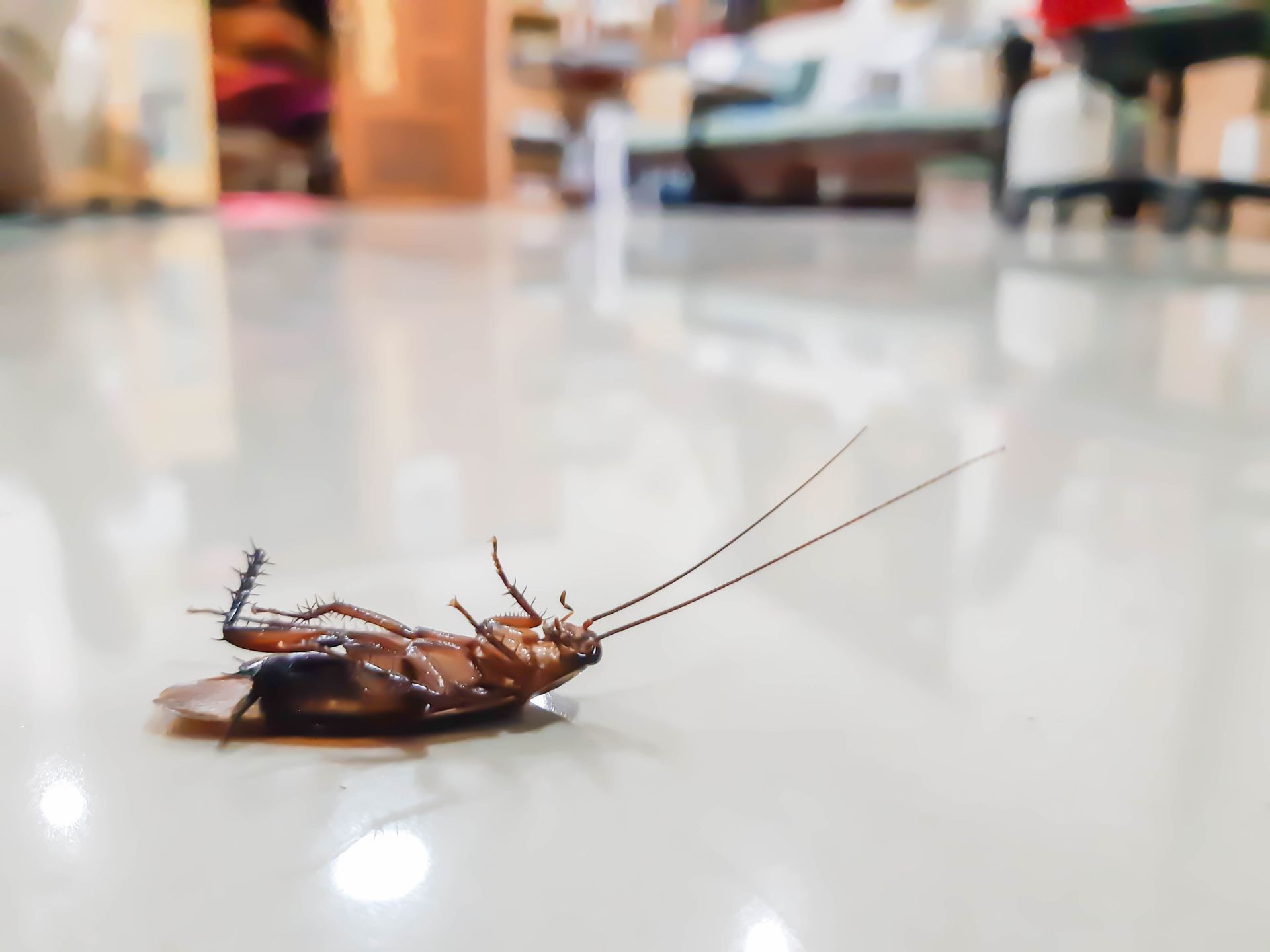
Pests carry a range of diseases that pose serious threats to human health. Common household pests like rodents and cockroaches can transmit pathogens through their droppings and secretions, leading to infections and allergic reactions. Mosquitoes, in particular, are vectors for diseases such as malaria and dengue fever, thriving in warm, humid environments and breeding rapidly. Prolonged exposure to these pests increases the likelihood of disease transmission, putting inhabitants at significant risk. Contacting pest control early helps mitigate these health hazards and promotes a safer living environment.
1.3 Structural Damage to Property
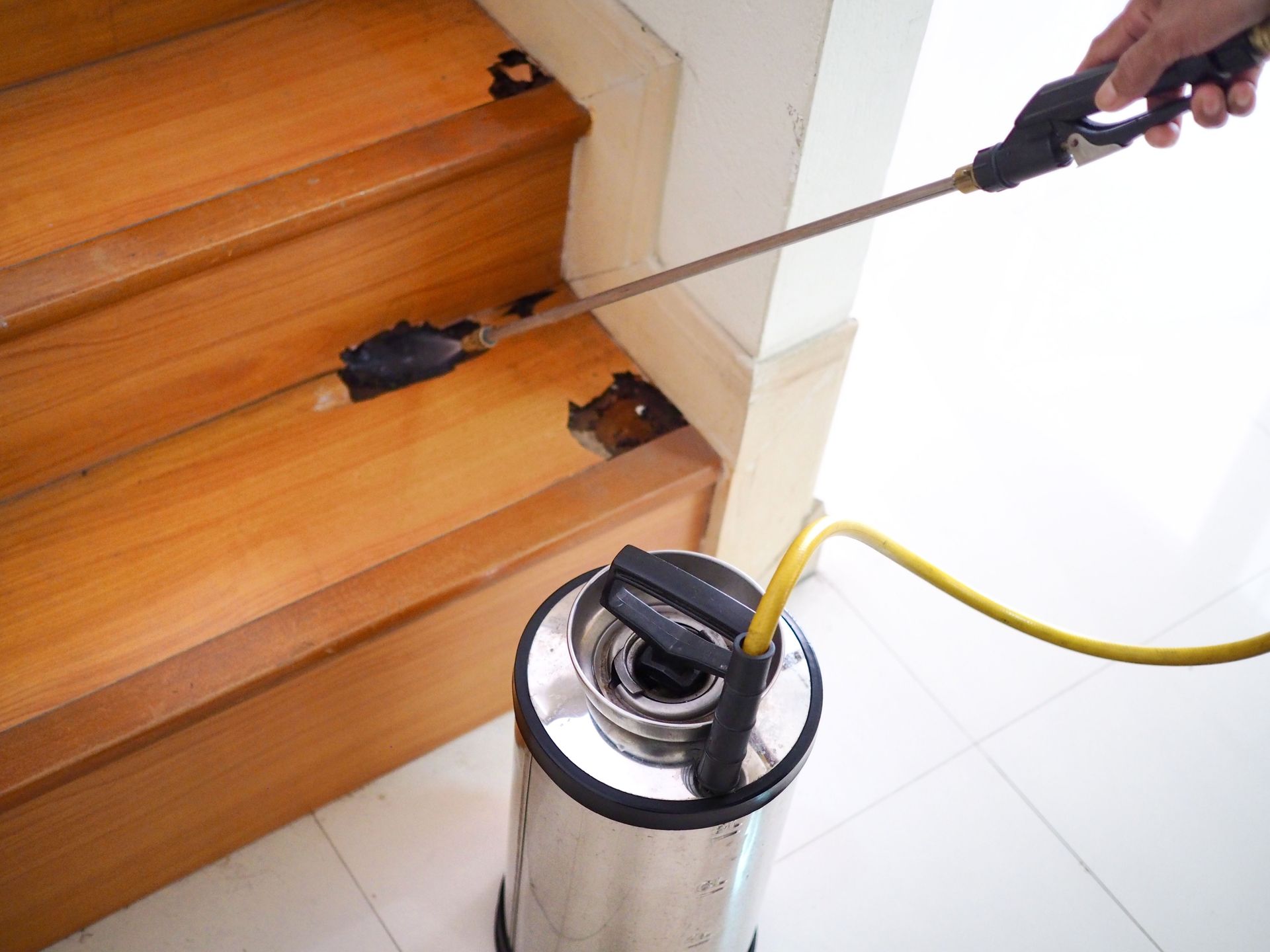
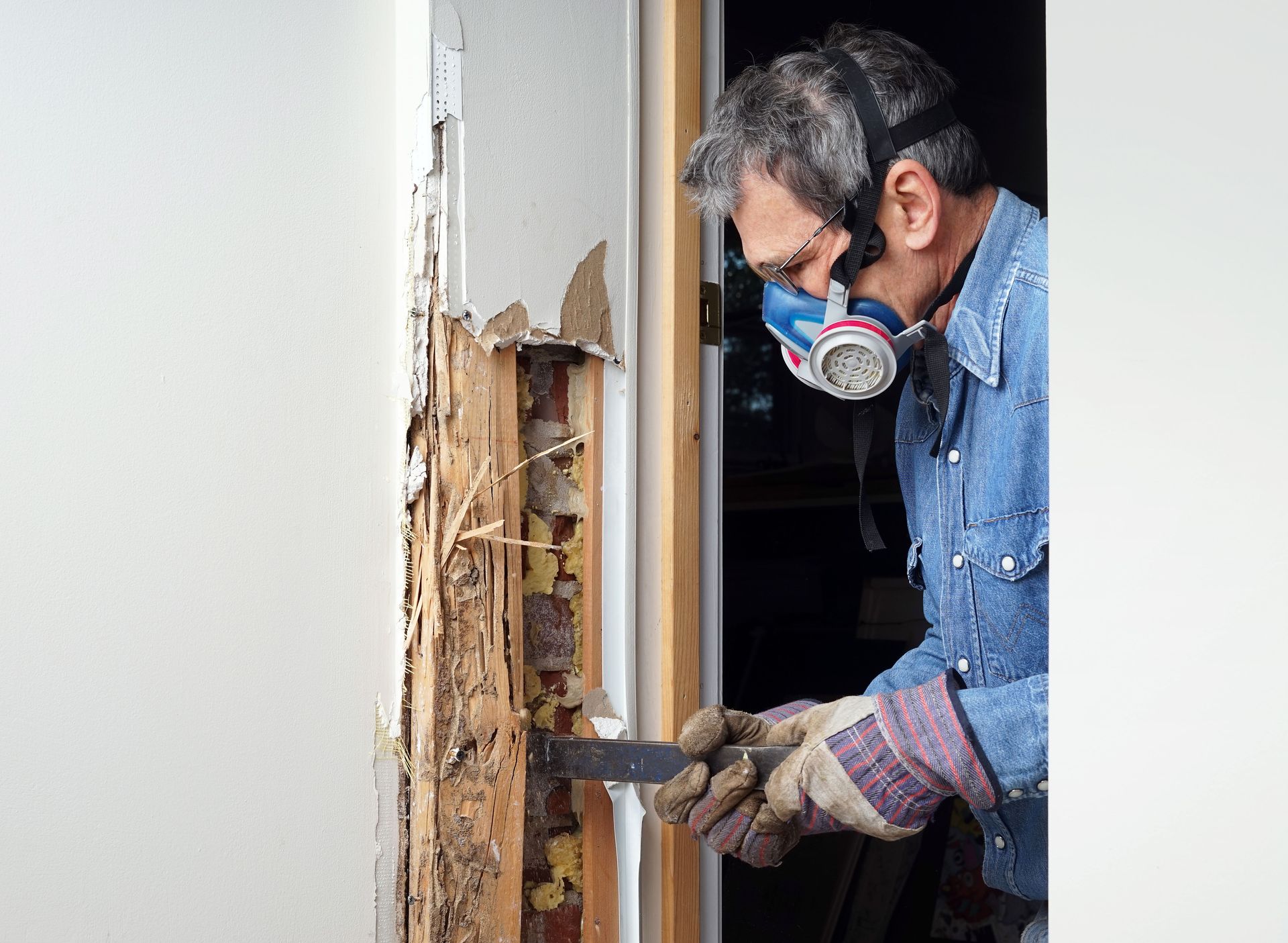
Besides health risks, pests are notorious for causing considerable damage to the structural integrity of buildings. Termites, for instance, feed on wood, compromising the structural framework of homes and leading to costly repairs. Similarly, rodents can gnaw through electrical wires, posing fire hazards and causing power outages. These damages can escalate quickly if left unaddressed, further increasing repair costs. Engaging pest control services promptly is crucial in safeguarding property from these destructive pests.
1.4 Contamination of Food Supplies
Food contamination is another alarming consequence of a pest infestation. Pests such as rats, mice, and cockroaches can invade kitchens and storage areas, contaminating food supplies with their waste and pathogens. This not only renders the food unsafe for consumption but can also lead to foodborne illnesses. The presence of pests can compromise hygiene standards, especially in commercial food establishments, affecting their reputation and business operations. Timely pest control measures are essential to prevent food contamination and ensure a hygienic environment.
1.5 Impact on Mental Well-being
The annoyance and stress caused by a pest infestation can have a significant impact on mental well-being. The constant worry about pest-related health risks and property damage can lead to anxiety and sleep disturbances. Moreover, the stigma associated with a pest-infested home can affect social interactions and lead to embarrassment. Addressing pest issues promptly can alleviate these psychological burdens and restore peace of mind. Professional pest control services offer effective solutions to manage infestations and minimize stress.
2. Economic Implications
2.1 Cost Analysis: Early Intervention vs. Prolonged Infestation
The financial implications of pest management are considerable, with costs varying significantly between early intervention and prolonged infestation. Engaging pest control services in the early stages of an infestation can limit treatment costs and prevent extensive damage. Conversely, delaying intervention can lead to higher expenses due to increased pest populations and more complex extermination procedures. Furthermore, the longer pests are allowed to thrive, the more severe the resulting damages and health risks, further inflating costs. Investing in early pest control is a cost-effective strategy that saves money in the long run.
2.2 Influence on Property Value
A pest-infested property can significantly decline in value, affecting both its marketability and selling price. Potential buyers are often deterred by the presence of pests, aware of the potential health risks and structural damage they bring. In addition, the negative impact on property value may also affect homeowners' equity and refinancing options. Early action in pest management helps maintain a property's condition and preserves its market value. Regular pest inspections and prompt interventions are advisable for property owners seeking to protect their investments.
2.3 Loss of Business Revenue
For commercial establishments, pest infestations can lead to substantial revenue losses. Restaurants, hotels, and other businesses in the service industry are particularly vulnerable, as pests can damage their reputation and drive away customers. Health code violations resulting from pest issues can lead to hefty fines and temporary closures. Ensuring regular pest control management is vital for businesses to prevent revenue loss and maintain a positive public image. Addressing pest issues proactively supports business continuity and enhances customer satisfaction.
2.4 Insurance Considerations
Pest control expenses and damages resulting from infestations can have insurance implications. Many homeowners' insurance policies exclude coverage for damages caused by pests, leaving property owners liable for repair costs. Proactively engaging in pest control measures may lead to eligibility for certain insurance discounts or endorsements. In some cases, insurance companies may require regular pest inspections to maintain coverage. It is advisable for policyholders to review their coverage details and prioritize timely pest management to mitigate insurance risks.
2.5 Long-term Financial Planning
Effective pest control strategies play a role in long-term financial planning by reducing unforeseen expenses. By integrating regular pest management services into their budgets, homeowners and businesses can prevent costly damages and health-related expenditures. Furthermore, maintaining a pest-free environment enhances property value and supports financial stability. Early intervention translates into fewer disruptions and allows for more predictable financial planning. By being proactive, property owners can safeguard their assets and avoid financial pitfalls associated with pest infestations.
3. Environmental and Ethical Considerations
3.1 Minimizing the Use of Chemicals
Environmental considerations are increasingly relevant in modern pest control strategies. Traditional pest control methods often rely heavily on chemical agents, which can have harmful impacts on the environment and non-target species. Minimizing chemical usage is an ethical responsibility, achieved through integrated pest management (IPM) strategies that emphasize prevention and non-chemical interventions. Environmentally friendly pest control solutions ensure that infestations are addressed effectively while preserving ecological balance. Working with pest control professionals who prioritize sustainable practices is an ethical choice that benefits the environment.
3.2 Promoting Biodiversity
Responsible pest management practices contribute to the promotion of biodiversity. By avoiding indiscriminate pesticide use, pest control professionals help preserve beneficial species that contribute to ecosystem health. Beneficial organisms, such as certain insects, birds, and mammals, play a role in natural pest control by preying on harmful pests. Encouraging biodiversity within pest management frameworks leads to more resilient ecosystems that naturally regulate pest populations. Collaboration with experts in sustainable methods is key to achieving effective pest control without compromising biodiversity.
Timely pest control interventions are crucial in safeguarding the health, safety, and structural integrity of both residential and commercial properties. Understanding the risks of infestation, its economic implications, and the need for ethical, environmentally friendly approaches encourages proactive pest management. Establishing a routine schedule for professional pest control guarantees long-term protection against unexpected infestations. Advances in technology and professional expertise offer innovative solutions while testimonials reinforce the importance of swift action. Empowering individuals and businesses with practical knowledge and steps promotes informed decision-making and successful pest control outcomes. Embracing proactive strategies mitigates risks and fosters a healthier, pest-free environment for everyone. Call Calvert County Pest Control today to learn more.