March 31, 2026
Termites are among the most destructive structural pests, capable of causing extensive damage long before their presence is detected. According to PestWorld.org, each year, termites cause more than $6.8 billion in property damage. Their ability to remain hidden inside wood, soil, and wall voids makes them particularly challenging to manage without professional intervention.
Understanding where termite activity is most likely to occur helps property owners recognize risk areas early and take action through qualified pest control services. This guide breaks down the most vulnerable areas in a property and explains how ongoing pest control plays a central role in preventing structural deterioration and costly repairs.
Foundation and Basement Areas
Foundations and basements are prime entry points for termite colonies. Small cracks in concrete, gaps around utility lines, and expansion joints create access routes that termites use to reach wooden structural elements. Once inside, they often move toward wall joists, sill plates, and support beams, damaging these critical components that uphold the building's structure.
Basement environments also tend to retain moisture, which further attracts termite activity. Subterranean termites, in particular, rely on damp conditions and construct mud tubes along foundation walls to travel between their colony and food sources. These tubes are often one of the first visible signs of infestation.
Damage in this area can escalate quickly because it affects load-bearing elements. Early-stage activity may not be obvious, but over time, weakened supports can lead to uneven floors, sticking doors, and visible structural strain.
Professional pest control inspections are essential for identifying hidden activity in these areas. Technicians use specialized tools and techniques to detect termites behind walls and beneath flooring. Preventative treatments, including soil barriers and targeted applications, help reduce the likelihood of infestation and protect foundational integrity.
Attics and Roofs
Attics and roof systems are another high-risk zone, particularly for drywood termites. Unlike subterranean termites, these pests do not require soil contact and can establish colonies directly within wooden structures. Roof trusses, rafters, and sheathing provide an abundant food source, making the attic an ideal environment for long-term infestation.
As termites consume wood from the inside out, the structural strength of the roof gradually declines. This can result in a sagging roof, compromised load distribution, and, in severe cases, structural failure. Insulation materials may also be disturbed or damaged as termites tunnel through them, reducing energy efficiency and increasing heating and cooling costs.
Exterior elements connected to the attic, such as fascia boards, soffits, and eaves, serve as common entry points. These areas are often overlooked during routine property checks, allowing termite activity to go unnoticed until damage becomes visible.
Roof decking and chimney framing are additional concerns. Termites can exploit any exposed or untreated wood, especially in areas where moisture accumulates. Over time, this can lead to secondary issues like leaks and water intrusion, compounding the damage.
Regular pest control inspections of attic spaces help detect early warning signs such as frass (termite droppings), hollow-sounding wood, or discarded wings from swarmers. Professional treatment plans are designed to eliminate active colonies and create protective barriers that limit future infestations.
Crawl Spaces and Sub-Flooring
Crawl spaces are among the most vulnerable areas for termite activity due to their dark, enclosed, and often humid conditions. These environments create ideal breeding grounds for subterranean termites, which thrive in moisture-rich settings and require consistent access to soil.
Wooden joists, beams, and subflooring components located in crawl spaces are particularly susceptible. Because these elements form the structural base of a property, damage here can compromise the entire building. As termites feed on these materials, floors may begin to sag, and structural stability can deteriorate over time.
Direct soil-to-wood contact significantly increases risk. Termites use soil as both a protective environment and a pathway, allowing them to access wooden structures without exposure. Even when vapor barriers are installed, improper placement or wear over time can create vulnerabilities.
Openings around plumbing lines and utility penetrations provide additional access points. These small gaps are often overlooked but can serve as direct entry routes into the structure.
Addressing termite risks in crawl spaces requires professional pest control strategies that go beyond surface-level solutions. Moisture management, barrier treatments, and routine inspections are key components of an effective prevention plan. Property owners benefit from scheduled evaluations that identify conditions conducive to termite activity and address them before infestations develop.
Wall Interiors and Structural Framing
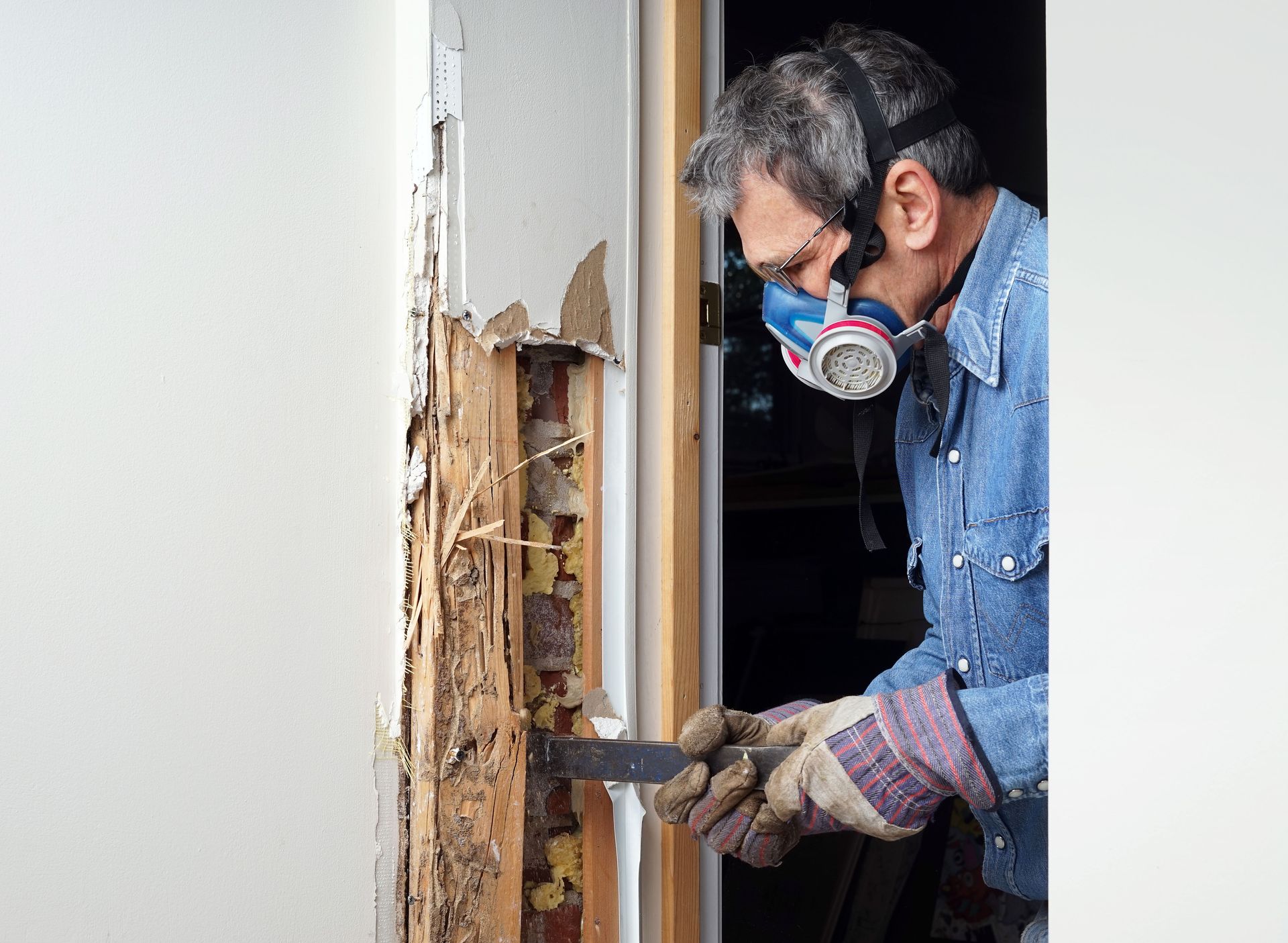
Termites frequently operate within wall interiors, making them especially difficult to detect. Hollow wall cavities allow colonies to expand undetected while feeding on wooden studs, framing components, and other structural supports.
As termites move through these concealed spaces, they weaken the internal framework of walls. Over time, this can result in visible signs such as cracked drywall, bubbling paint, or warped surfaces. In more advanced cases, walls may begin to bow or lose structural integrity.
Electrical outlets, cable lines, and plumbing routes create pathways that termites can follow between rooms. This interconnected network allows infestations to spread rapidly throughout a property without obvious external indicators.
Insulation materials are also at risk. When termites disrupt insulation, it can reduce thermal efficiency and lead to higher energy costs. Because the damage occurs behind walls, it often goes unnoticed until a detailed inspection is performed.
Early detection in wall interiors relies heavily on professional pest control methods. Advanced tools such as acoustic sensors and infrared imaging can identify termite movement and heat variations associated with infestations. Once detected, targeted treatment plans can address the problem without unnecessary disruption to the property.
Wooden Decks and Exterior Structures
Outdoor wooden structures are highly exposed to environmental conditions, making them particularly vulnerable to termite infestations. Decks, fences, pergolas, and sheds all provide accessible food sources, especially when constructed from untreated or aging wood.
Moisture from rain, humidity, and irrigation systems accelerates wood deterioration and creates conditions that attract termites. Deck supports, railings, and stair components are common points of attack. As termites hollow out these structures, safety becomes a concern, increasing the risk of collapse or injury.
Fence posts and landscaping timbers that come into direct contact with soil are especially susceptible. These elements can act as entry points, allowing termites to establish colonies that may eventually spread to the main structure.
Exterior damage often progresses faster due to constant exposure to the elements. Signs such as mud tubes, hollow wood, or discarded wings should prompt immediate attention.
Professional pest control services play a critical role in protecting exterior structures. Treatments may include wood applications, soil barriers, and ongoing monitoring systems designed to detect activity early. Regular inspections help maintain both the appearance and structural safety of outdoor features.
Termites target the most critical structural areas of a property, from foundations and crawl spaces to attics and exterior wood features. Their ability to remain hidden allows damage to progress unnoticed, often resulting in significant repair costs and compromised safety.
Addressing termite risks requires more than occasional checks. A structured approach backed by professional pest control is needed to rid a home of termites. Regular inspections, early detection, and preventative treatments all contribute to protecting the long-term integrity of a property.
If there are signs of termite activity or if it has been some time since the last inspection, scheduling a service with a reputable provider is a practical next step. Contact Calvert County Pest Control today to schedule a comprehensive pest control inspection and protect your property from hidden termite damage.