February 2, 2026
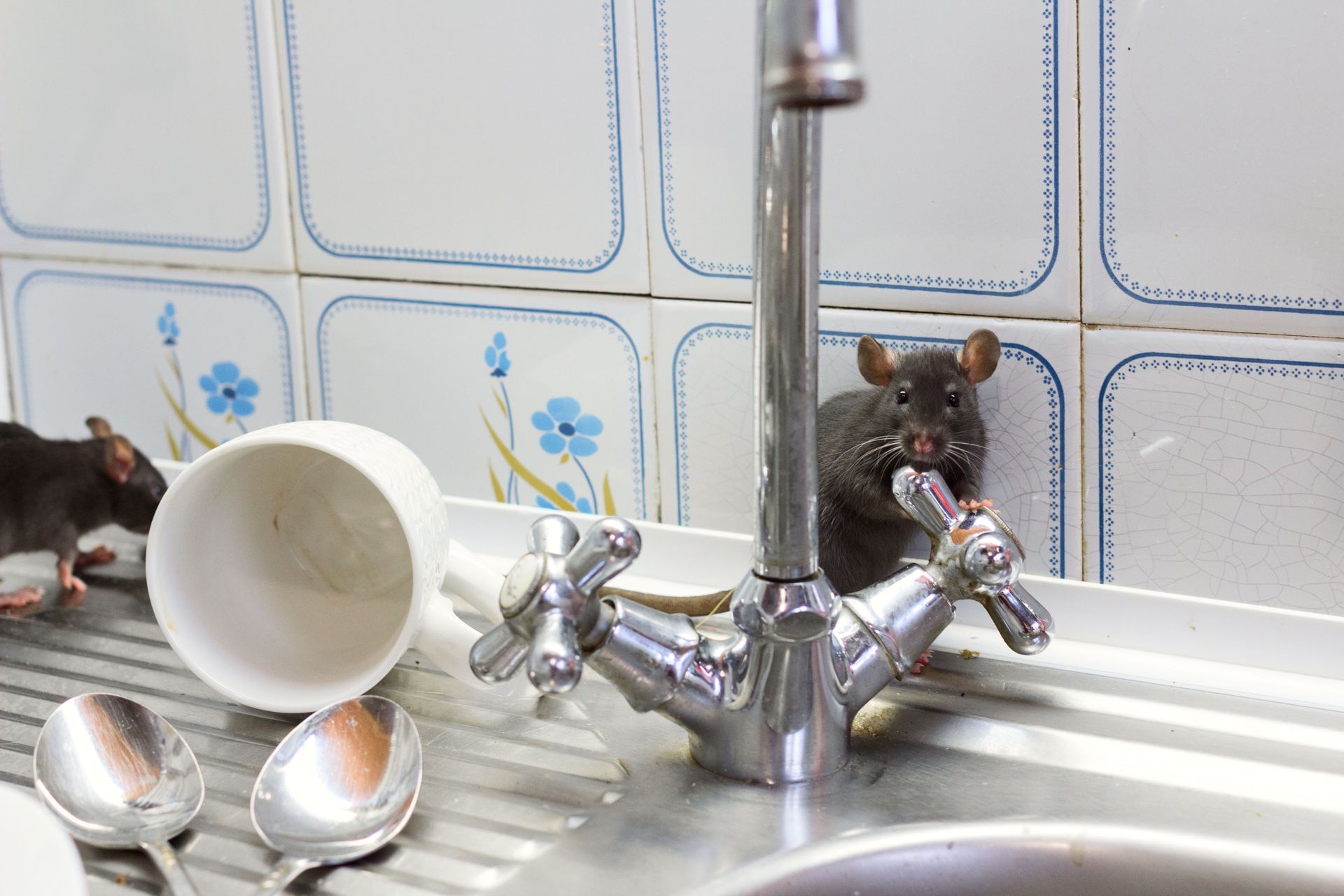
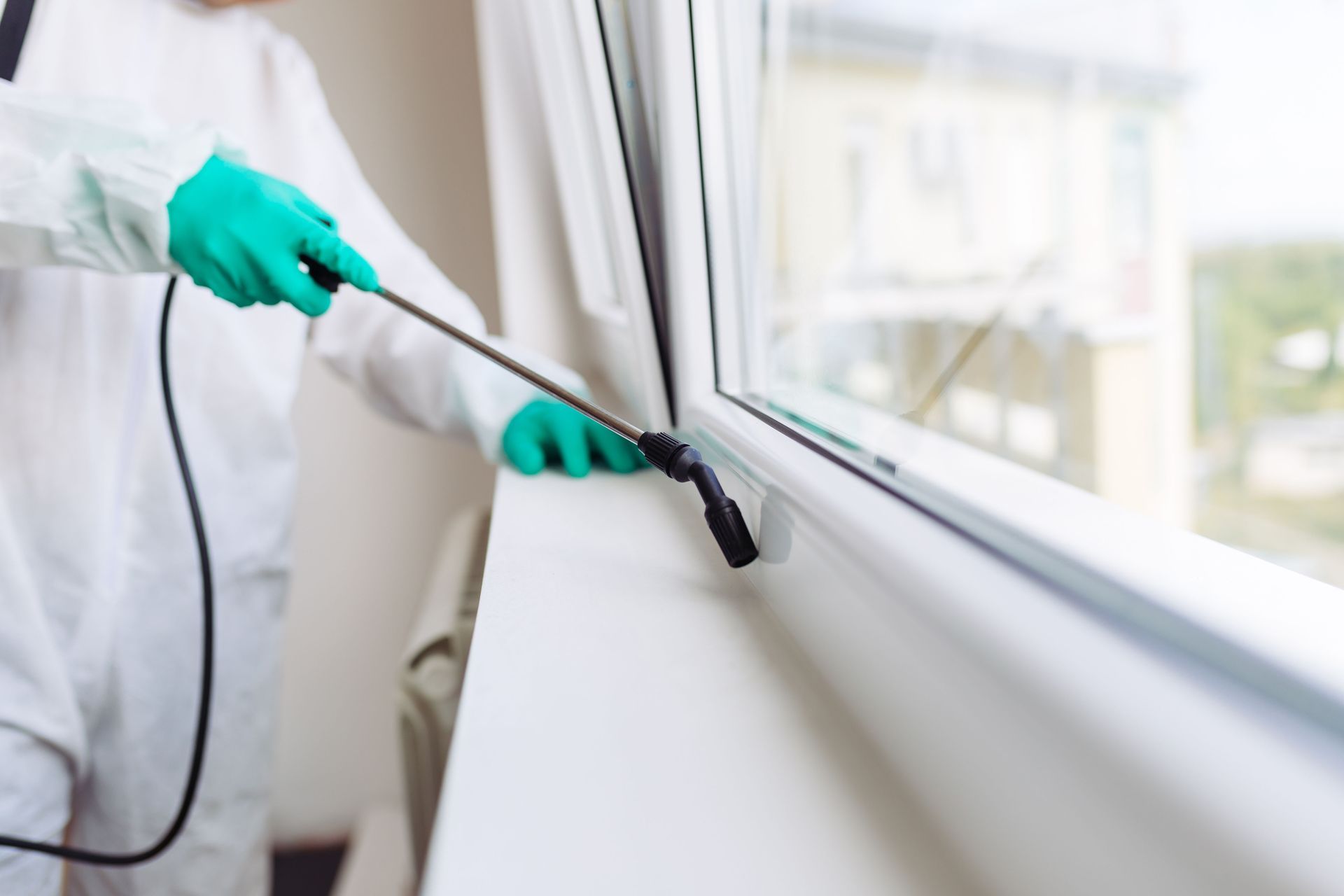
Discover essential strategies for protecting your property from mice throughout the year with professional pest control services. Mice present serious health risks and can cause extensive structural damage, making proactive prevention a priority for both homeowners and property managers. According to PCT, more than 11% of households nationwide report rodent problems annually, highlighting the importance of timely, targeted intervention. Rather than relying on temporary fixes, professional pest control companies focus on identifying vulnerabilities, implementing exclusion measures, and maintaining ongoing monitoring programs. These seasonal service approaches help address specific risk factors as conditions change throughout the year. With consistent professional care, properties benefit from stronger defenses against unwanted pests. Ultimately, understanding mouse behavior allows trained technicians to develop more effective long-term protection strategies for every environment.
Spring: Professional Inspections and Structural Exclusion
Identify Common Entry Points
Spring is an ideal time for pest control companies to conduct detailed property assessments. As temperatures rise, mice become more active and begin searching for food sources and nesting locations. Trained technicians inspect foundations, siding, rooflines, utility penetrations, and interior transition areas to locate potential access points. Because mice can squeeze through openings as small as a dime, professionals rely on experience and specialized tools to detect gaps that are often overlooked. Early identification of these vulnerabilities helps prevent minor issues from developing into larger infestations later in the season.
In addition to exterior evaluations, pest control services also assess attics, basements, crawl spaces, and wall voids. These areas frequently serve as entry corridors or nesting zones, especially in older structures. By documenting problem areas early, technicians can design targeted prevention plans that address both current risks and emerging concerns.
Seal Gaps and Holes
Once access points are identified, professional pest control companies implement exclusion solutions using commercial-grade materials designed to withstand weather exposure and rodent activity. Rather than temporary household fixes, these methods are selected for durability and long-term performance. Sealing gaps around doors, windows, plumbing lines, and foundations helps block future entry while also supporting overall building efficiency.
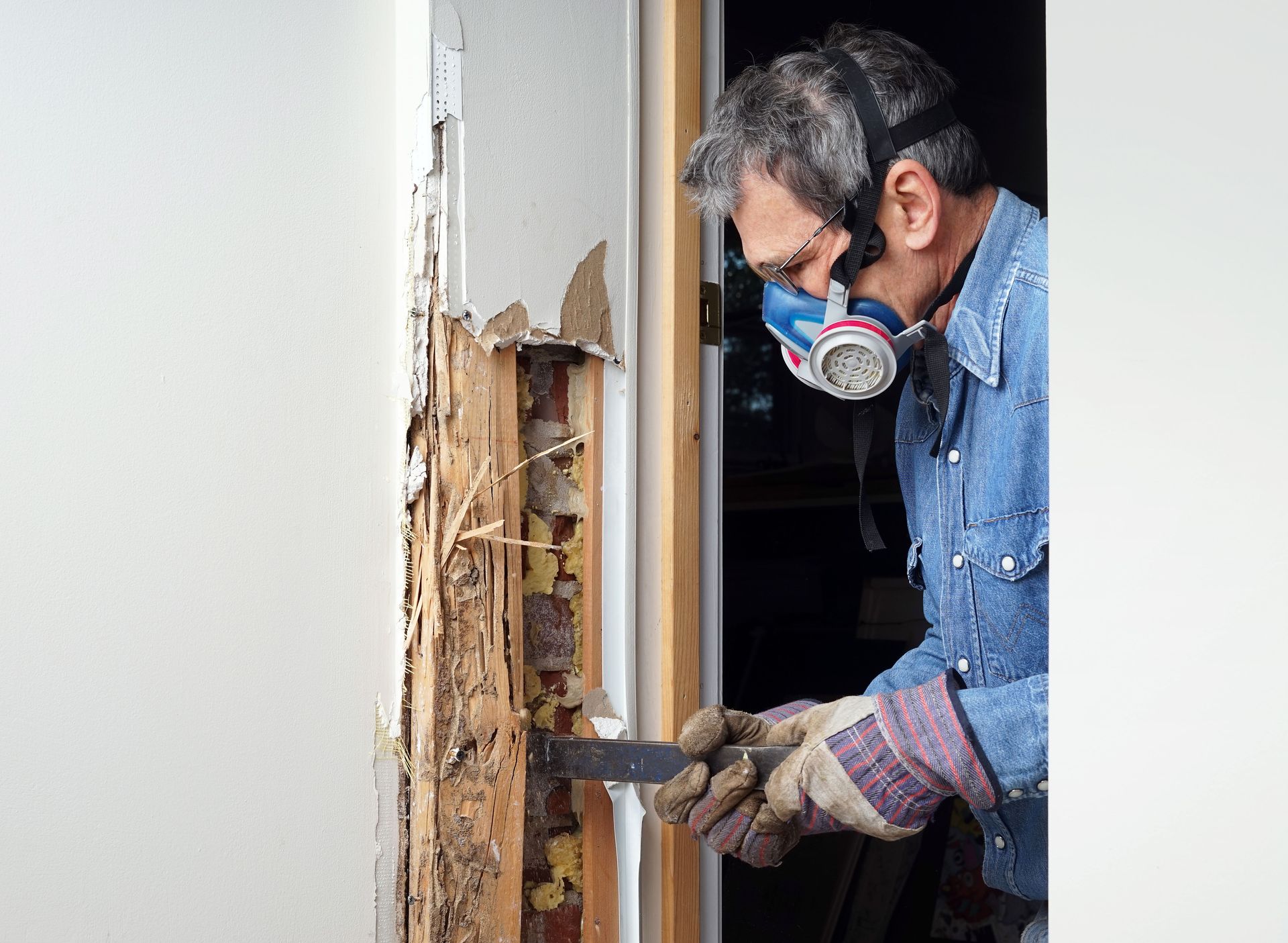
Professional exclusion work is tailored to each property's construction style and layout. Technicians reinforce vulnerable zones and coordinate repairs when structural issues are discovered. This comprehensive sealing approach significantly reduces springtime rodent intrusions while strengthening the property’s protective envelope.
Check for Signs of Infestation
Spring service visits also focus on identifying early signs of rodent activity. Pest professionals are trained to recognize droppings, gnaw marks, nesting materials, and grease trails that indicate mouse movement. These indicators help determine where treatment and monitoring devices should be placed for maximum effectiveness.
Rather than relying on occasional visual checks, pest control companies establish structured inspection routines that track activity patterns over time. This proactive monitoring allows technicians to respond quickly, preventing isolated sightings from turning into established infestations. Early intervention protects both indoor air quality and structural materials.
Maintain Outdoor Areas
Exterior conditions play a major role in rodent pressure. Professional pest control services evaluate landscaping, debris accumulation, and storage placement around the property perimeter. Overgrown vegetation and cluttered areas provide shelter for rodents and create pathways toward buildings.
Technicians may recommend targeted modifications, such as adjusting plant spacing or clearing debris zones near foundations. These environmental adjustments, combined with exclusion measures, reduce nesting opportunities and discourage mice from approaching structures. Addressing outdoor risk factors in spring lays the groundwork for stronger protection throughout the year.
Summer: Active Monitoring and Population Control
Reduce Food Sources
During summer, pest control companies focus on reducing attractants that encourage mice to remain active around properties. Service visits include inspections of kitchens, storage areas, waste zones, and outdoor living spaces to identify hidden food sources. Rather than offering generic advice, technicians provide site-specific recommendations based on how each property is used.
By helping property owners address attractants at their source, pest control companies limit the resources mice rely on to survive. This integrated approach makes properties less appealing while supporting ongoing population management efforts.
Install Physical Barriers
Professional services also reinforce physical barriers during the summer months, inspecting door thresholds, window transitions, and ventilation points. Where necessary, technicians install or repair exclusion materials that prevent rodents from slipping inside. These barriers are selected for longevity and performance, reducing maintenance needs while supporting energy efficiency.
Because structural movement can occur during warmer weather, pest professionals reassess seals and protective components regularly. This ensures that exclusion systems remain effective even as buildings expand and contract.
Strategic Trapping and Monitoring
Rather than relying on visible or randomly placed traps, professional pest control services use strategically positioned monitoring devices based on rodent travel routes. These placements are informed by inspection data and behavioral patterns, allowing for more consistent control.
Technicians routinely service and adjust these systems during scheduled visits. This ongoing monitoring helps track population changes and guides treatment modifications, providing a more reliable solution than isolated trapping efforts.
Storage Area Assessments
Basements, garages, and utility rooms are evaluated for nesting potential during summer service cycles. Pest professionals identify cluttered zones, void spaces, and material buildup that may encourage rodent activity. Recommendations are tailored to each space, helping reduce hiding spots while improving visibility for future inspections.
This structured approach supports long-term prevention while improving overall property hygiene.
Fall: Reinforcement Before Cold Weather
Perform a Thorough Home Inspection
Fall marks a critical transition period, as mice seek shelter from dropping temperatures. Pest control technicians conduct comprehensive inspections to identify new vulnerabilities created by seasonal wear, settling, or material fatigue. Exterior walls, foundations, rooflines, and interior access points are all reviewed for developing gaps.
Addressing these issues before winter arrives strengthens the property's defenses and reduces the likelihood of cold-weather infestations.
Enhance Structural Integrity
Professional services focus on reinforcing insulation zones, entry barriers, and structural transitions during the fall. These efforts help block rodents while also supporting indoor comfort. Technicians repair weakened seals and reinforce vulnerable areas that may attract mice seeking warmth. This dual-purpose work improves energy performance while maintaining pest resistance.
Monitor for Rodent Access Routes
Fall service programs include enhanced surveillance of attics, crawl spaces, and basements. These areas often serve as staging grounds for winter nesting. Pest control professionals track activity trends and adjust treatment strategies accordingly, helping prevent rodents from establishing long-term shelter indoors.
Inspect Heating Systems
HVAC units, furnaces, and utility connections are carefully examined for openings that could allow rodent entry. Professional inspections identify gaps around ductwork and service lines, helping protect critical systems from damage. Addressing these risks early helps avoid disruptions once winter conditions set in.
Winter: Continued Protection and Interior Surveillance
Continue Regular Property Checks
Winter does not pause pest activity; it shifts it indoors. Professional pest control services maintain scheduled inspections throughout the colder months, verifying that exclusion materials remain intact and monitoring systems continue to perform. These routine visits help identify emerging issues before they escalate.
Focus on Attics and Basements
Technicians pay close attention to low-traffic areas where rodents often hide during winter. Insulation, stored items, and wall interfaces are examined for signs of nesting. Early detection allows for immediate response, preventing damage from spreading unnoticed.
Secure Waste Disposal Areas
Pest professionals also assess waste management zones, including outdoor containers and collection areas. Proper placement and sanitation reduce attractants that could draw rodents toward buildings. These evaluations support broader prevention strategies during periods of limited outdoor activity.
Maintain Ongoing Deterrent Systems
Professional services may refresh deterrent measures and monitoring devices as part of winter maintenance programs. These layered defenses complement exclusion work and population control efforts, helping keep properties protected during peak indoor rodent activity.
Keeping mice away from your property requires consistent, professional attention and seasonally adapted strategies. Pest control companies can combine inspections, exclusion, monitoring, and treatment into coordinated programs designed to address both current activity and future risk. By understanding rodent behavior and responding proactively throughout the year, trained technicians help minimize infestations while protecting structural integrity and indoor health. With ongoing professional care, property owners gain lasting peace of mind and a more resilient defense against pests. Contact Calvert County Pest Control today for continuous monitoring paired with targeted intervention to support safer, cleaner environments year-round.